It’s 4:40 PM on the first day of your conference. In Track A, your highly anticipated keynote on AI adoption is about to begin. At exactly the same time, a workshop in Track C opens its doors—one that many attendees have been looking forward to for weeks.
The result? Participants are forced to choose between two equally valuable sessions, while other rooms remain underutilized.
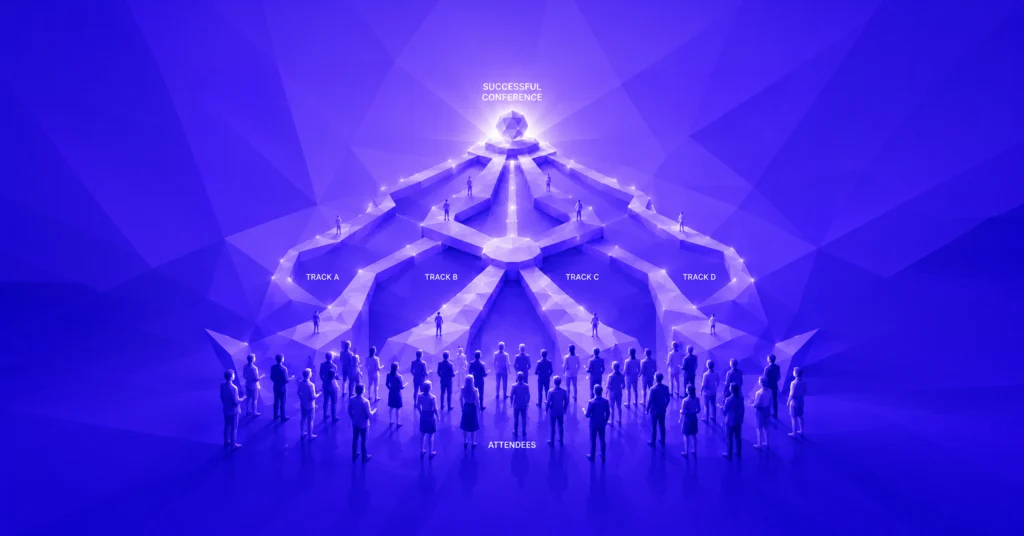
This is one of the most common challenges in multi-track conference planning. As soon as multiple stages, rooms, and content streams run in parallel, organizers must manage a complex network of speaker availability, room capacities, audience interests, and scheduling dependencies.
To successfully plan a conference agenda, you need more than a simple timetable. You need a structured approach that minimizes conflicts, maximizes attendance, and delivers an exceptional attendee experience.
Why Scheduling Conflicts Are the Biggest Threat to Your Conference Program
Post-event surveys consistently reveal one recurring complaint: attendees are frustrated when they have to choose between two sessions they both want to attend.
When highly relevant presentations run simultaneously, the perceived quality of the entire conference decreases.
The consequences can be significant:
- Attendees miss valuable content.
- Speakers present to smaller audiences than expected.
- Room utilization becomes inefficient.
- The overall program ROI decreases.
The goal of effective session planning is therefore simple: minimize overlap between sessions that appeal to the same audience. Two must-attend talks for the same attendee persona should never happen at the same time.
The Three Foundations of a Conflict-Free Multi-Track Conference
1. Define Clear Conference Tracks
Organize your agenda into distinct content streams. Common examples include:
- Strategy
- Leadership
- Marketing
- Hands-on Technology
- Innovation
Assigning a visual color to each track makes scheduling conflicts easier to spot and improves agenda readability.
2. Build Attendee Personas
Identify the primary audience segments attending your event and assign every session to one or more personas.
Examples include:
- Technical Decision Makers
- Marketing Leaders
- Executives
- Founders
- Project Managers
This exercise helps ensure that sessions targeting the same audience are not scheduled against each other.
3. Standardize Time Slots
Consistent session lengths simplify scheduling and reduce logistical challenges.
Common formats include:
- 30-minute session + 15-minute transition time
- 45-minute presentation + 15-minute break
- 60-minute workshop + 15-minute setup time
Synchronized breaks make it easier for attendees to move between tracks and participate in more sessions.
Four Essential Checks for Better Session Planning
Before publishing your agenda, every conference schedule should pass four conflict checks.
Speaker Conflicts
Ensure that speakers are not accidentally assigned to multiple sessions at the same time.
Room Conflicts
Verify that each room hosts only one session per time slot and can accommodate expected attendance.
Topic Conflicts
Avoid scheduling highly similar presentations in parallel. Otherwise, your sessions end up competing against each other.
Persona Conflicts
Review whether multiple sessions are targeting the same audience segment simultaneously. This is often the most expensive and least obvious scheduling mistake.
Pro Tip: Distribute keynote sessions and major audience magnets throughout the day instead of clustering them together. This creates a steady flow of engagement across the entire conference program.
How AI Makes Conference Agenda Planning More Efficient
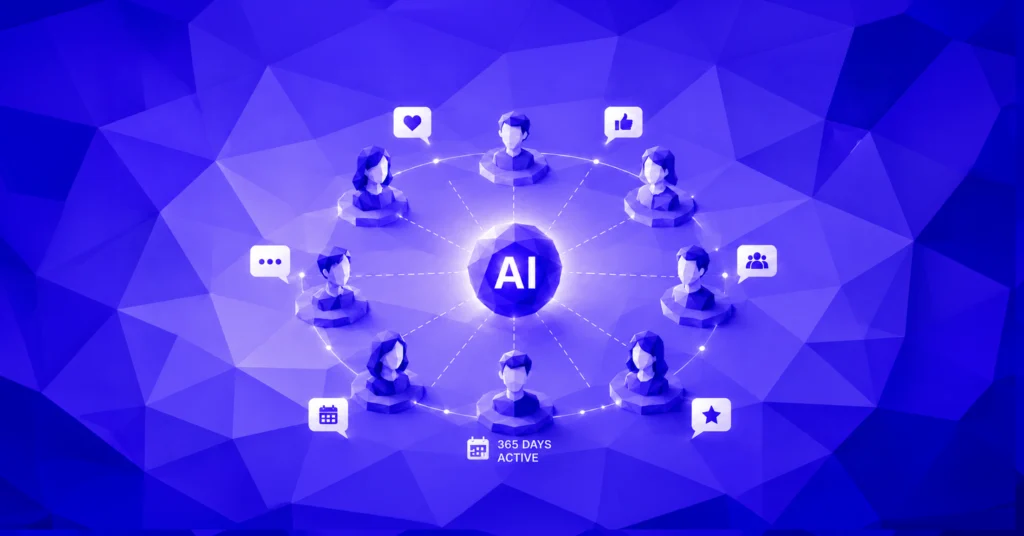
As conferences grow in size, manual scheduling becomes increasingly complex and error-prone. AI-powered event planning tools help organizers manage this complexity more effectively.
Automated Conflict Detection
Modern AI systems instantly identify speaker, room, topic, and audience conflicts whenever agenda changes occur.
Intelligent Topic Clustering
By analyzing session titles and abstracts, AI can detect thematic similarities and recommend sessions that should not run concurrently.
Personalized Attendee Agendas
Instead of a static event schedule, participants receive tailored recommendations based on their interests and behavior.
Faster Content Creation
AI can generate session descriptions, speaker bios, reminder messages, and operational communications in a fraction of the time required manually.
The key advantage is not replacing human decision-making. AI simply removes repetitive administrative work so event teams can focus on creating a memorable conference experience.
From Agenda Planning to Successful Event Execution
A great agenda is only valuable if attendees can access the latest information throughout the event.
Provide Real-Time Updates
Speaker changes, room updates, and schedule adjustments should be communicated instantly through digital channels.
Track Session Attendance
Real-time check-in data provides valuable insights into session popularity and attendee behavior.
Use an Integrated Event System
When agenda management, ticketing, attendee communication, and check-in processes are spread across multiple tools, data silos emerge and increase operational complexity.
How eventpage.ai Supports Conference Agenda Management
eventpage.ai combines agenda management, ticketing, attendee communication, and real-time event analytics within a single AI-first platform.
The platform helps organizers:
- Generate session descriptions automatically
- Create speaker briefings in minutes
- Identify outstanding event tasks
- Distribute agenda updates instantly
- Analyze registrations and check-in data in real time
This creates a seamless workflow from conference planning to event execution while reducing manual effort across the entire process.
FAQ: Planning a Multi-Track Conference Agenda
How many tracks should a conference have?
The ideal number depends on audience size, content diversity, and event objectives. Most business conferences operate between three and six concurrent tracks.
How can scheduling conflicts be avoided?
By using attendee personas, standardized session formats, and systematic conflict checks before publishing the final agenda.
What role does AI play in conference planning?
AI helps identify conflicts, analyze content similarities, automate routine tasks, and personalize attendee schedules.
Why are attendee personas important?
They help organizers understand audience needs and prevent sessions targeting the same audience from competing against one another.
Conclusion
A successful multi-track conference agenda is not the result of luck. It requires clear content tracks, defined audience personas, structured time slots, and systematic conflict management.
AI-powered event planning tools make this process faster, more accurate, and significantly easier to manage. Instead of spending hours updating spreadsheets, organizers can focus on delivering a conference experience that attendees remember long after the event ends.
Want to see how eventpage.ai simplifies agenda management, registration, attendee communication, and event analytics in one platform? Book a demo and discover a smarter way to plan your next conference.